

DigiEduHack 2025 Luxembourg: A Weekend of Innovation, Collaboration, and Hope

Michalis Spyropoulos
5 minutes read |

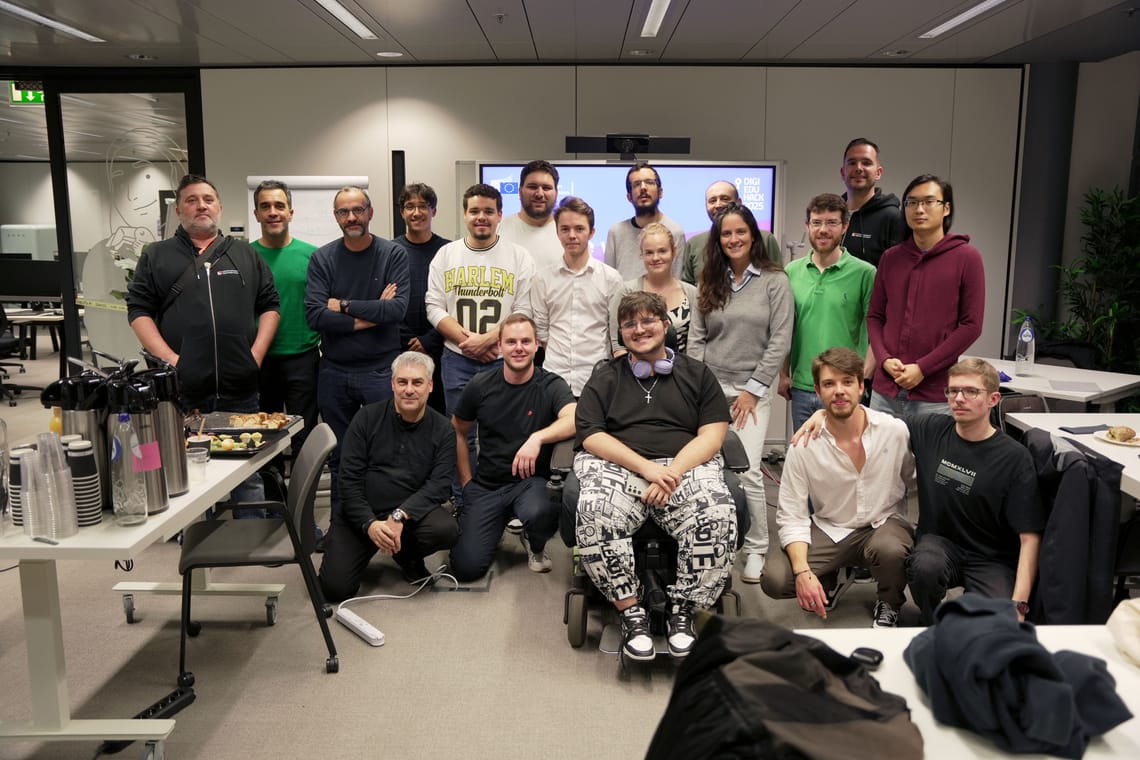
In mid-November, Luxembourg became a vibrant hub of creativity and problem-solving as we hosted the 2025 edition of DigiEduHack, a global initiative aimed at transforming education through digital innovation. Supported by the European Commission since 2019, as part of the first Digital Education Action Plan and now continuing under the Digital Education Action Plan 2021-2027, DigiEduHack was orchestrated by Michalis Spyropoulos, the National Ambassador for Luxembourg. It brings people from around the world together to discuss, innovate and create through a series of local and online hackathons, in which participants work in teams to design practical, digital solutions to improve education in only 24 hours. On Saturday 15 and Sunday 16 November, the Digital Learning Hub Luxembourg in Belval buzzed with energy as participants brainstormed, built prototypes, refined their ideas, and pitched their final solutions to a panel of experts, who selected the winning solution.
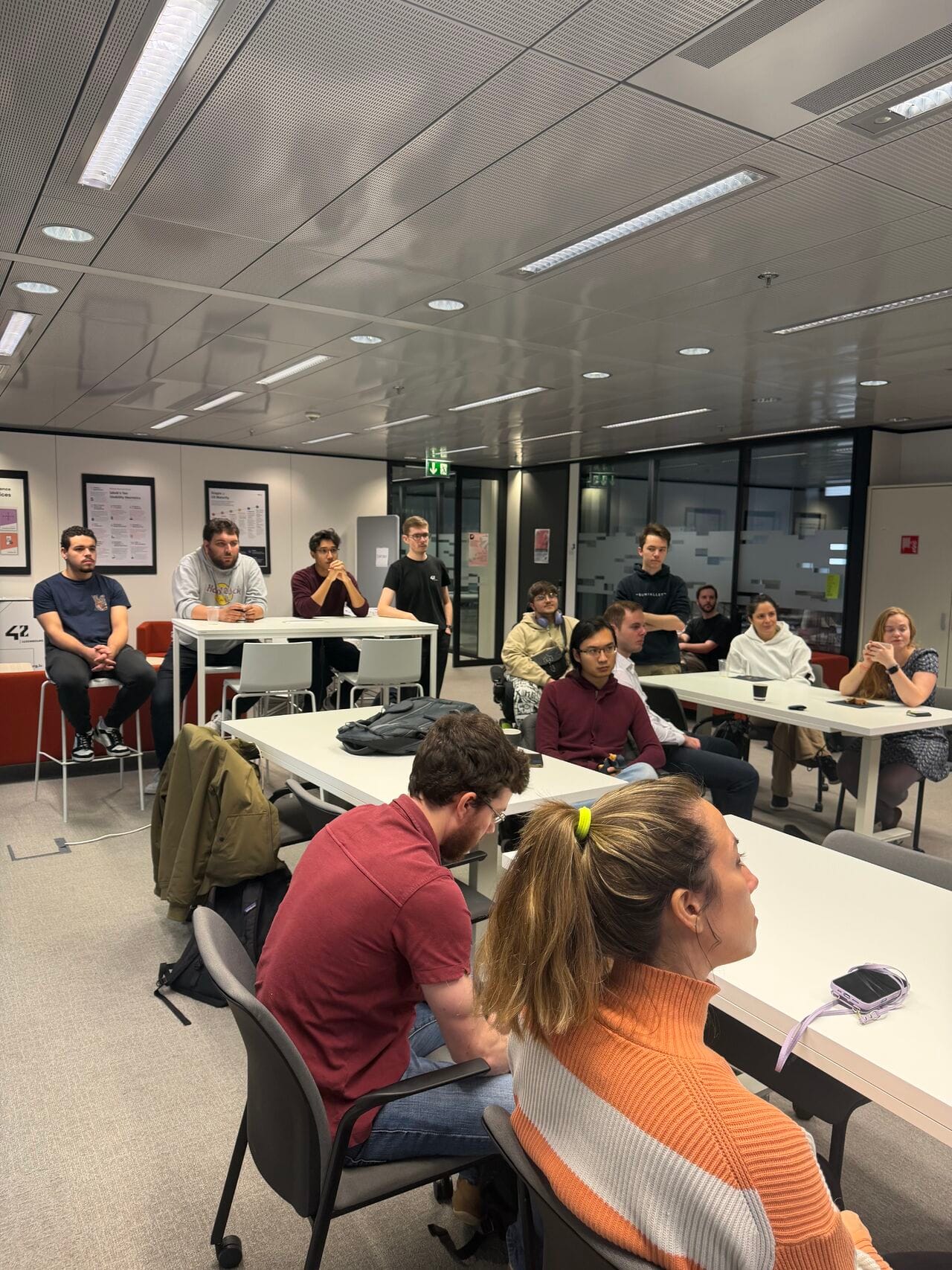
The event brought together students, professionals, technologists, educators, and innovators, who shared a common passion for digital education and creativity. They gathered for a noble cause: to make education and training in Luxembourg more inclusive, more efficient, and more future-ready using artificial intelligence. The intense 24-hour event was a powerful reminder of what can be achieved when passionate individuals collaborate to address genuine educational challenges and transform ideas into tangible projects with significant impact.
A Community United by Innovation
One of the most inspiring aspects of this year’s DigiEduHack was the diversity and talent of the participants. The seven teams that entered the competition demonstrated remarkable creativity and technical skills, offering fresh perspectives on how digital tools can help learners flourish in today's rapidly changing world.
Their AI-powered prototypes covered a variety of functionalities, all of which promote accessibility, engagement, and personalised education. You can find an overview below, and more details are available on this page.
- Leemo simplifies the learning process for newcomers to Luxembourg by adapting schoolbooks to the relevant Common European Framework of Reference for Languages (CEFR) levels. This helps students to integrate more easily into the education system.
- afterClass is a two-sided, digital learning platform designed for secondary education teachers and students and has an adaptive system for generating homework and self-study challenges. This system creates personalised learning activities based on learning objectives defined by teachers.
- EasyLanguage generates personalised Luxembourgish listening exercises, creating custom text-to-speech audio and questions organised by topic and level, addressing the lack of accessible learning materials.
- Dino Teach is a study mentor designed to support students with attention deficit hyperactivity disorder (ADHD) by helping them organise tasks, overcome procrastination and maintain focus during homework and study.
- Path.lu is a career platform that connects underutilised migrant professionals with personalised employment pathways, helping to address Luxembourg’s skills shortage by unlocking hidden talent.
- Child-GPT is a child-focused, sovereign assistant that supports children, especially those from migrant backgrounds, while generating anonymised insights to inform education and integration policies.
- AI Fair Support App uses machine learning (logistic and linear regression) to objectively group students based on their needs (e.g. dyslexia or shyness), enabling the provision of inclusive, data-driven educational support.
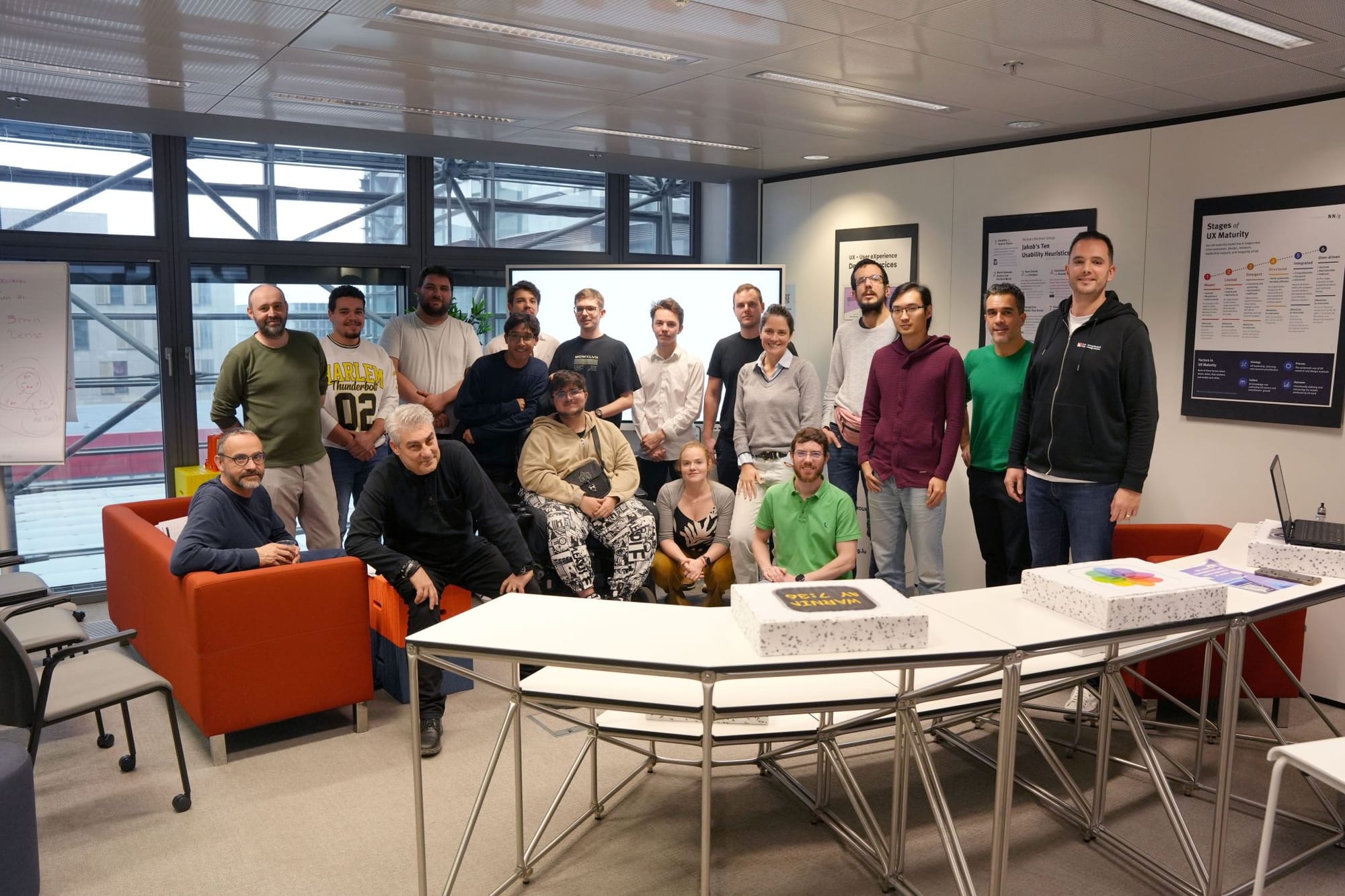
Every team approached the challenge with dedication and a genuine desire to improve the learning experience for all, reflecting the inclusive, multilingual, and rapidly evolving educational landscape of Luxembourg, where three official languages coexist, digital transformation is prioritised and equity of access is a guiding principle. They offered new, practical perspectives on how digital tools can overcome barriers, encourage collaboration, and promote a culture of lifelong learning.
Celebrating the Winners: Introducing afterClass
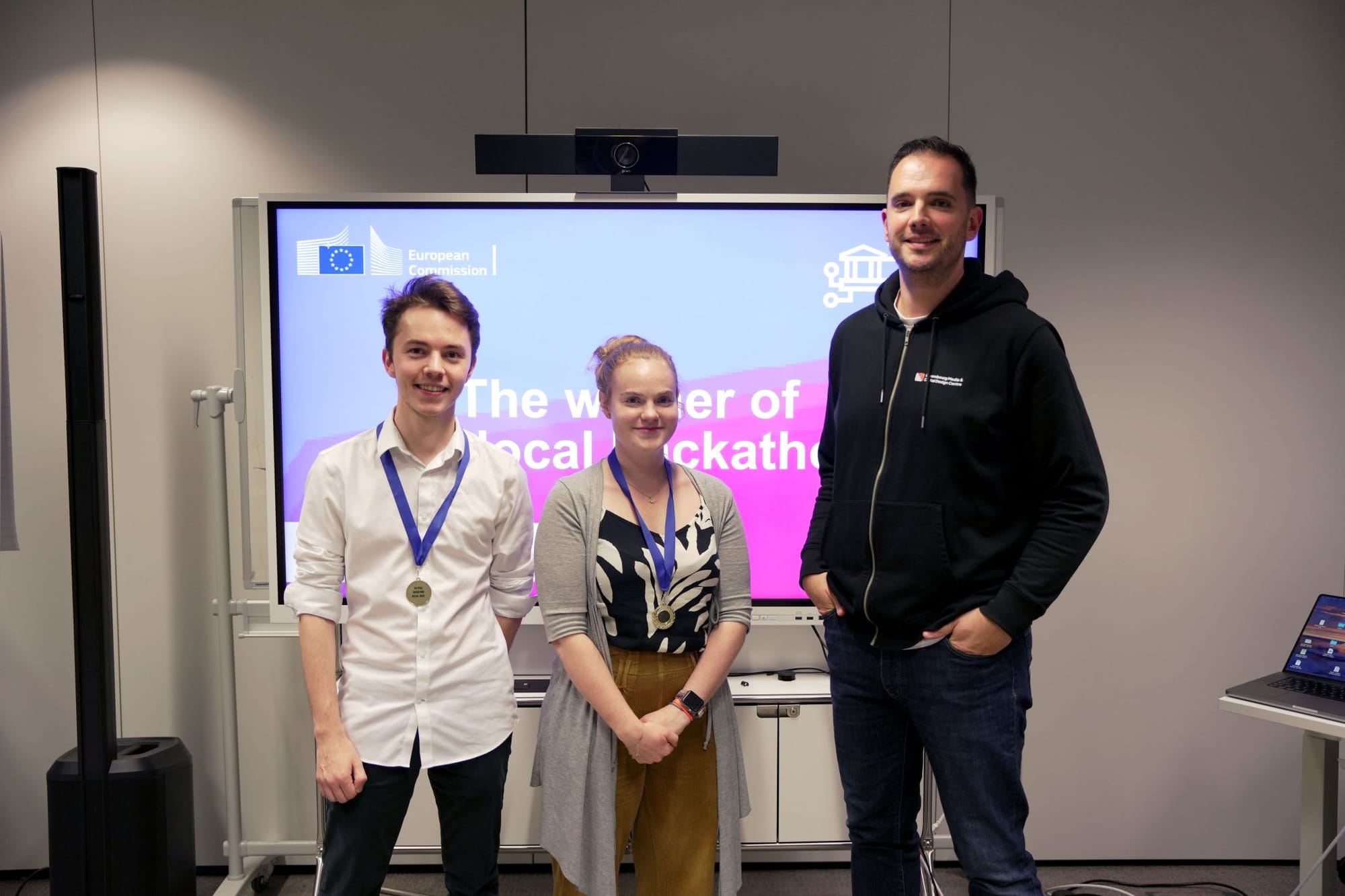
The highlight of the weekend was the unveiling of this year's winner: afterClass, the brainchild of The SuGar cOdErS - a dynamic duo comprising IT consultant and 42 Luxembourg software engineering student Maria Diederich, and LMDDC team member Nathan Lenas.
Their solution impressed the jury with its technical potential and its insight into the needs of teachers and students.
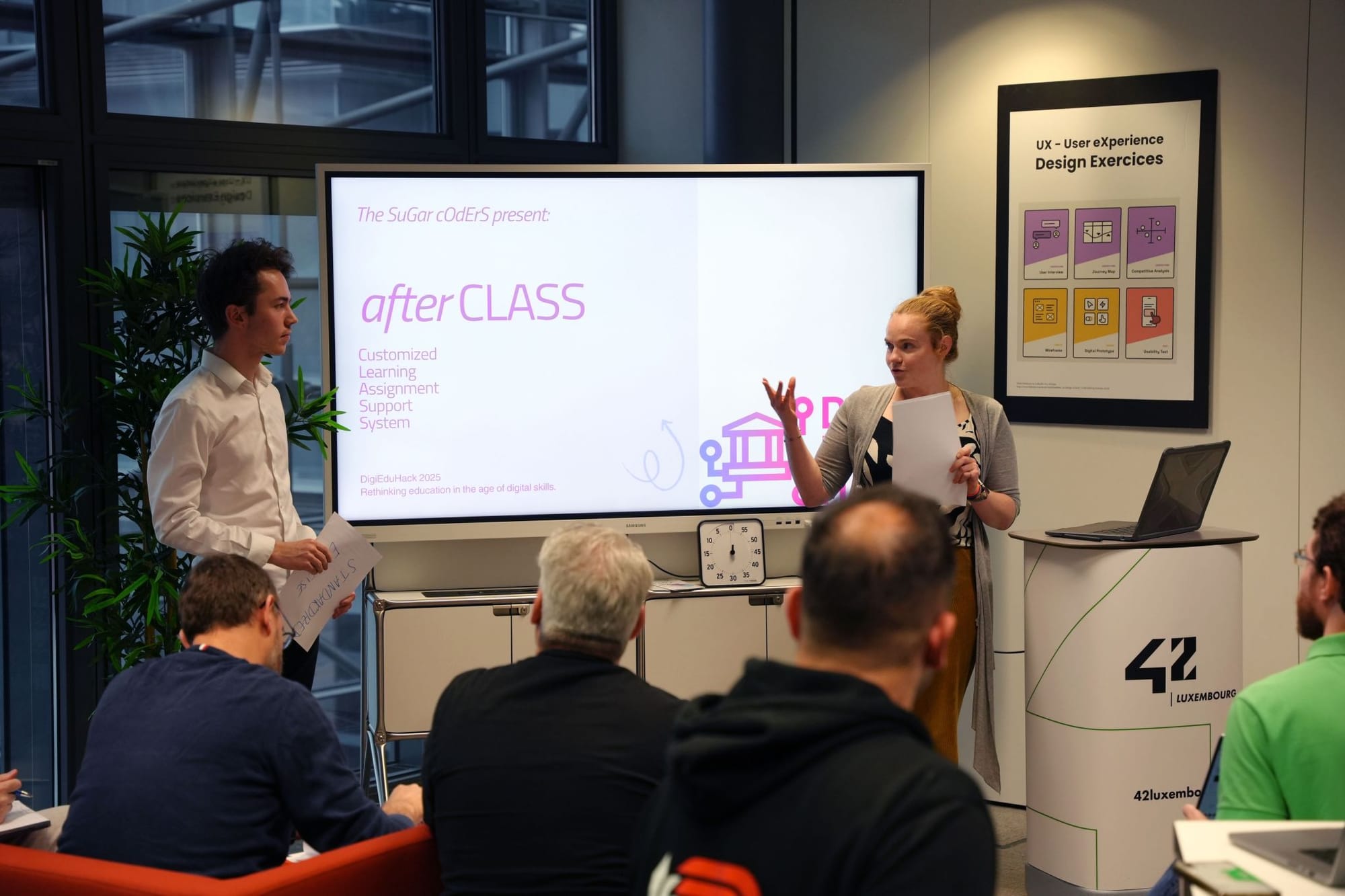
afterClass combines generative AI and pedagogical analysis tools to create homework, content, and self-learning activities tailored to each secondary school pupil's level and preferences. afterClass is also intended to support teachers by centralising teaching resources, generating differentiated exercises, reinforcing learning in the language of instruction, and reducing the administrative workload in the classroom. In a multilingual context such as Luxembourg's, afterClass could improve educational equity while enabling pupils who are experiencing difficulties to progress at their own pace, particularly those who may struggle in a traditional learning environment. For teachers, it offers a way to focus on what truly matters: meaningful instruction and student engagement.
Gratitude to the People Behind the Scenes
Events like DigiEduHack only thrive thanks to the support, generosity and commitment of many individuals and institutions. We would like to extend our heartfelt thanks to everyone who contributed to the 2025 edition.
Our hosts
Special thanks go to our hosts the DLH Luxembourg and its Managing Director, Serge Linckels for providing the space, infrastructure, and support that made the event run so smoothly. We are particularly grateful to Joe Leiner from DLH Luxembourg and Mathilde Noël from the LMDDC for their involvement throughout the organisation and during the event. The joint organisation of a hackathon was a natural fit, as both institutions are strongly committed to advancing digital skills and harnessing the potential of AI in education and training. By combining the LMDDC's focus on educational innovation through technology with the DLH Luxembourg's experience in IT and AI training, we created a unique space for collaboration, creativity, and real-world problem solving.
Furthermore, both organisations face common challenges such as bridging the gap between education and digital skills needs, ensuring equitable access to AI-driven tools, and fostering responsible, ethical use of technology. A joint hackathon enabled us to address these issues together, harnessing diverse talents and perspectives to co-create practical solutions that strengthen Luxembourg’s digital learning ecosystem.
The jury and mentors
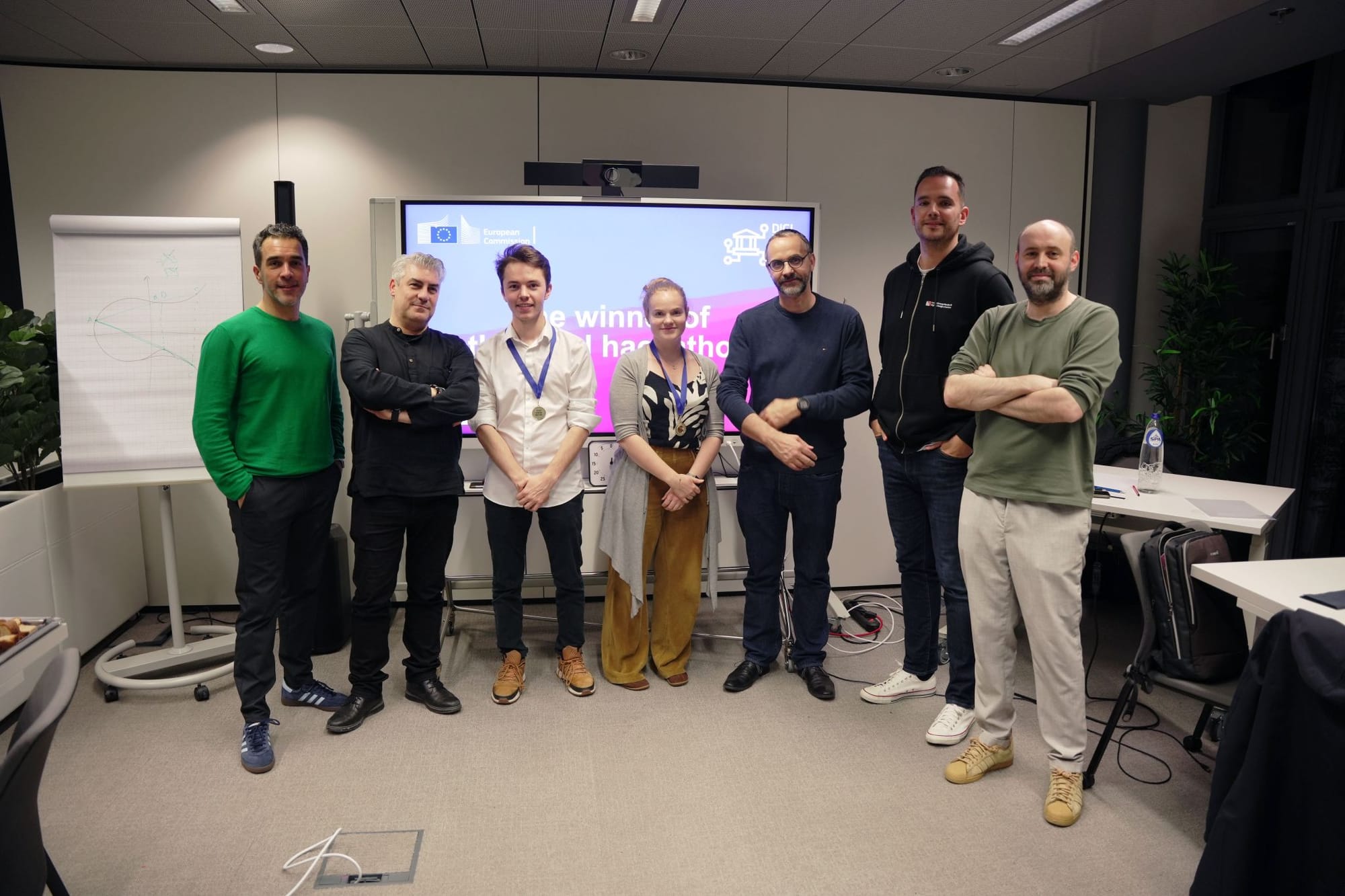
Our jury members, Marco D’Amico (Deputy Managing Director, DLH Luxembourg), Wesley Deglise (an experienced serial entrepreneur with a strong focus on product design and innovation processes), Benoît Fortemps (TalentHub Coordinator, Lycée des Arts et Métiers), and Thibaud Latour (CEO, LMDDC), brought an open-minded and thoughtful approach to evaluating the projects. Their constructive feedback was immensely valuable to all teams.
We are equally grateful to our mentors, Alan Kavanagh (Training Manager, DLH Luxembourg) and Jimmy Fischer (Interactive Experience Developer, LMDDC), whose guidance helped participants refine and elevate their solutions.
The participants
Every single participant came ready to build, collaborate, and innovate. Their energy and commitment made this hackathon exceptional and inspiring, laying the groundwork for ideas, connections, and solutions that extend far beyond the event itself.
Looking Ahead: DigiEduHack 2026?
Despite the short span of time, DigiEduHack 2025 demonstrated the possibilities that arise when technology, creativity and a passion for learning converge. We are excited to see where this journey will take us next, because the future of education is being shaped right now, and Luxembourg is ready to take the lead.
Michalis Spyropoulos
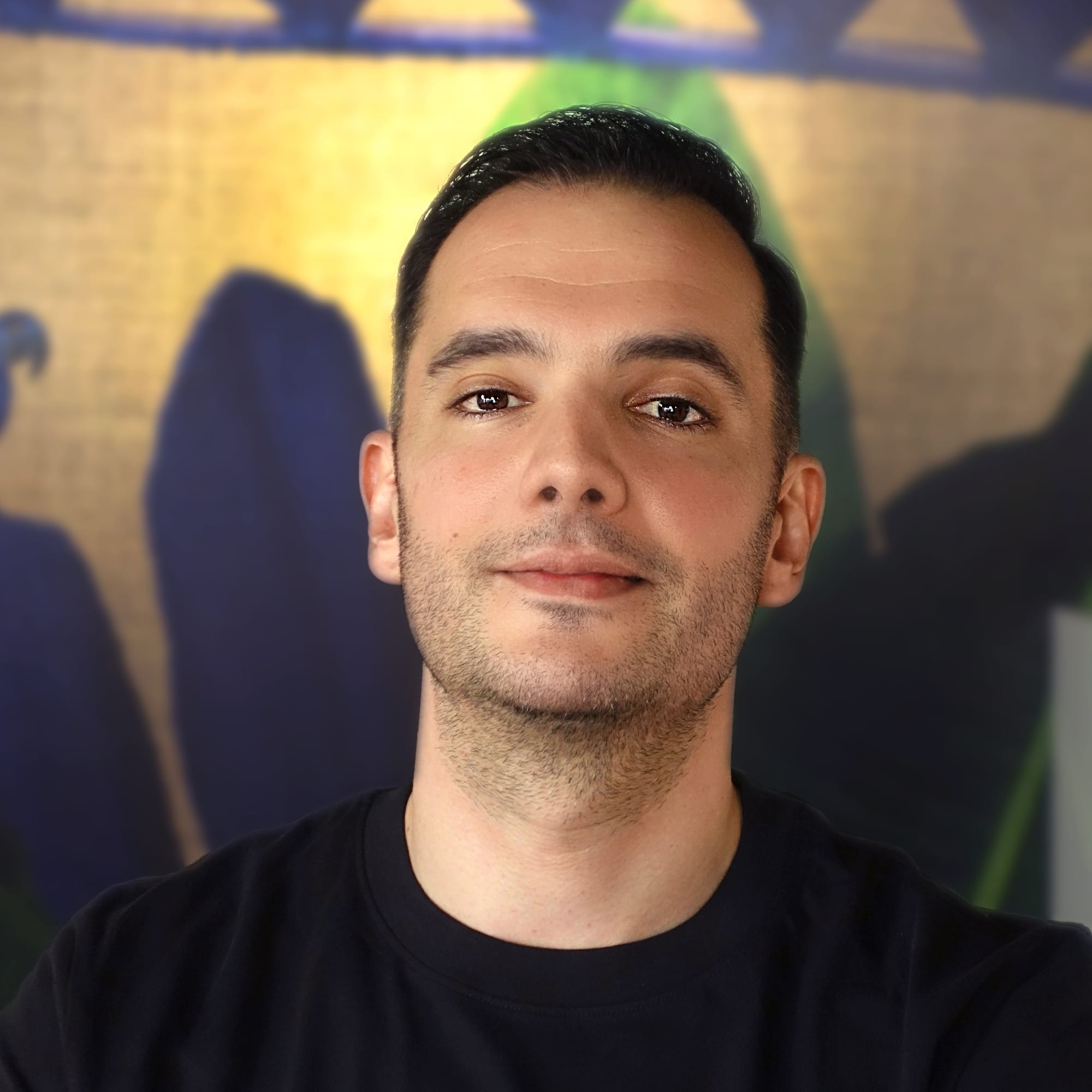
Michalis heads up knowledge management, business development, and communication.