

Textiles Everywhere

Nooshin Shojaee
2 minutes read |

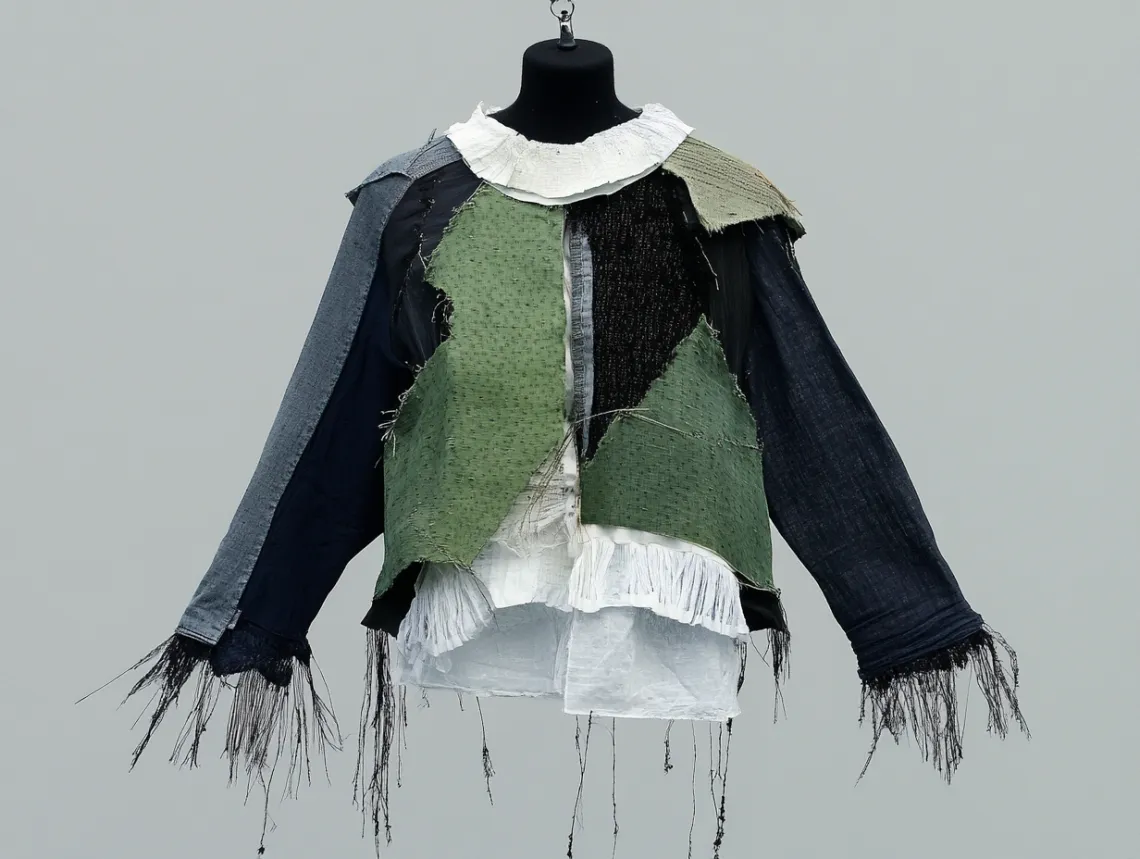
The textile industry is one of the largest and most complex industries on the planet, and it touches every single person's life. Whether as a consumer or as an actor in the textile industry, you have probably noticed that textile production, consumption, and waste have increased massively over the past decades. For decades, this industry has operated on a linear "take-make-waste" model, consuming vast amounts of resources and generating enormous volumes of waste and pollution. Less than 1% of material re-enters the production system, and no financial or operational mechanism is foreseen to manage textile waste.
Who Bears the Cost?
For decades, municipalities, taxpayers, and waste-receiving countries in Africa, Asia, and South America have been bearing the financial and environmental cost of textile waste, while these costs have been systematically detached from the producers who first place these products on the market.
Transition to Circular Economy
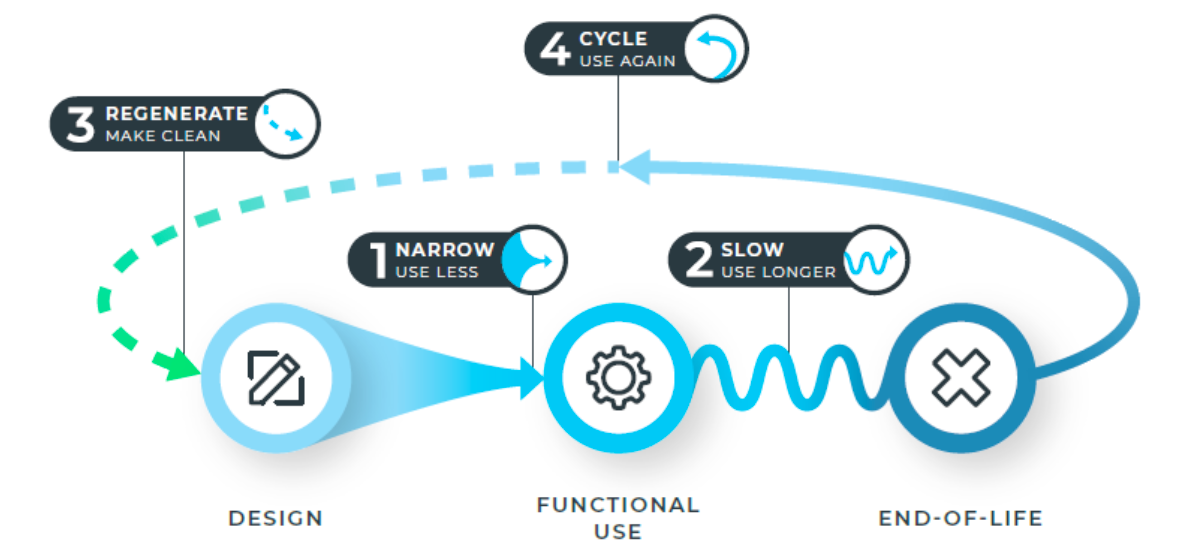
The textile industry urgently needs a transition to a circular economy, where used products re-enter the production system through reuse or recycling. The EU is leading this transition. Several projects at the EU level are addressing it, and TRUSTex is one of them.
What is TRUSTex?
TRUSTex aims to revolutionise the EU textile industry by developing and implementing Extended Producer Responsibility schemes that promote circular business models through eco-design principles, improved waste management systems, and digital traceability solutions.
TRUSTex is a three-year project funded by the European Union's Horizon Research and Innovation programme and the Swiss State Secretariat for Education, Research and Innovation (SERI). The consortium brings together 19 partners across 11 countries, including Research and Technology Organisations, Universities, Non-Governmental Organisations, Large Industry Representatives, and Small and Medium Enterprises.
What is LMDDC's Role?
LMDDC is proudly participating in TRUSTex and contributing to the textile transition to circularity through capacity building. As a partner, our responsibility is to transform project findings into accessible and actionable content for key actors in the value chain. We design and implement a capacity-building programme for SMEs, municipalities, and policymakers to support them with the knowledge and skills required to shift to circularity and comply with emerging EU regulations.
Capacity Building Programme Structure
The programme offers two features: structured e-learning courses and AI-assisted learning. The e-learning is organised in 4 pathways tailored for different roles:
- Common Ground (all learners),
- SMEs (small and medium-sized enterprises),
- Municipalities, and
- Policymakers.
Each pathway covers 3 topics:
- Extended Producer Responsibility
- Digital Product Passport, and
- Circular Strategies
The capacity-building programme is published on Moodle, an open-source learning management system (LMS), hosted on LMDDC servers. The AI assistant is implemented through A[i]lice, a fully in-house developed tool, hosted by LMDDC for safe and sovereign use of AI in education.
We Need Your Feedback
The first prototype of the capacity-building programme will be published in October. We welcome your opinions and feedback to help enrich the content. Let's take a step together toward circular textiles and a greener future.

Nooshin Shojaee
Nooshin is an instructional designer exploring the intersection of AI and education.